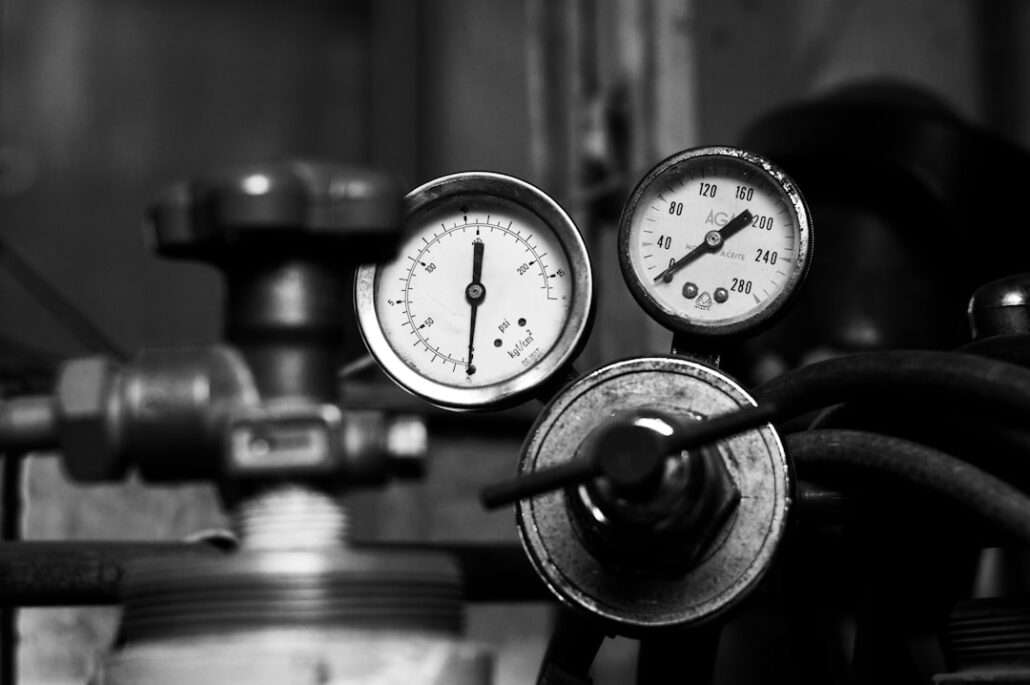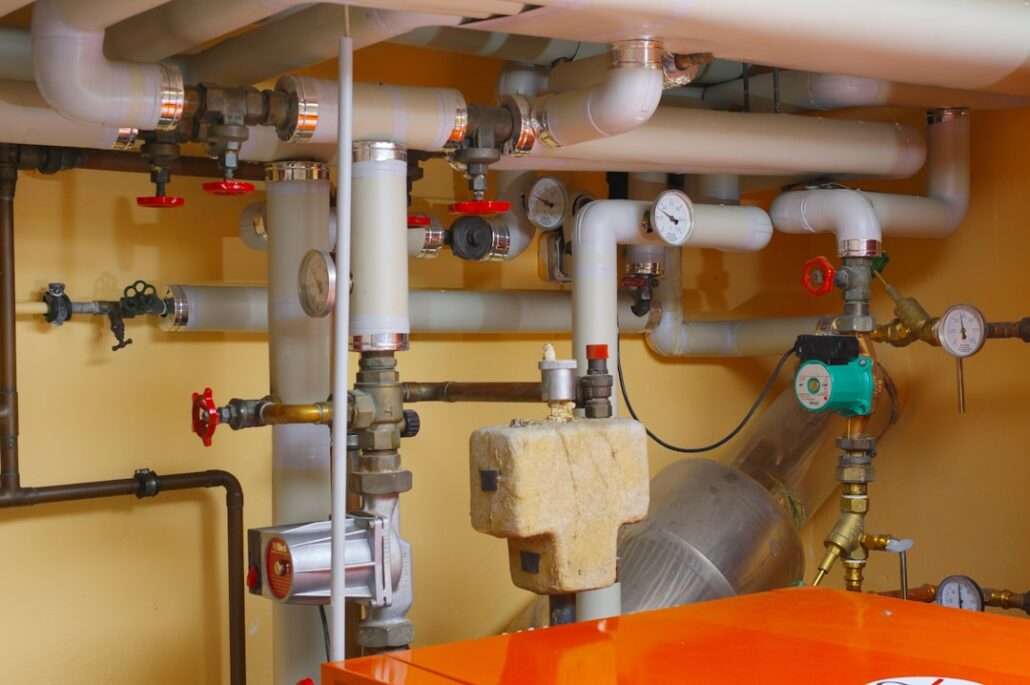
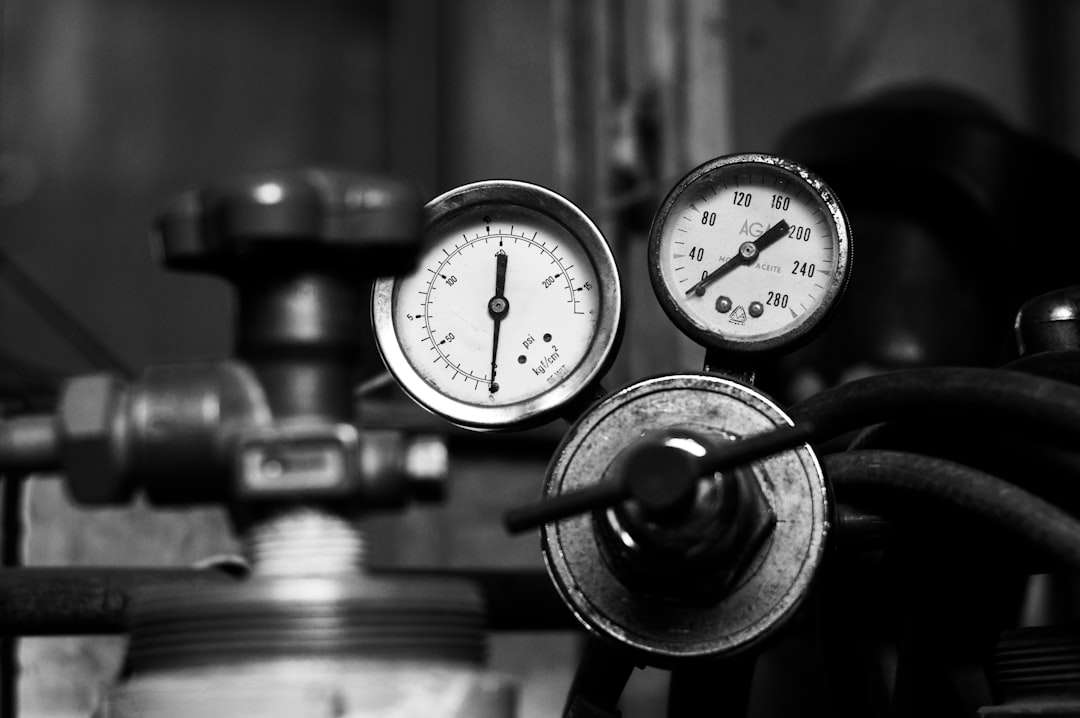
A boiler pressure gauge, often called a manometer, shows the pressure inside a sealed heating circuit. Accurate pressure information helps technicians diagnose filling, leakage and expansion problems and select the right spare part.
What does a boiler pressure gauge do?
The gauge displays system pressure when the boiler is cold and during operation. The appliance manual should always be used for the manufacturer-specific operating range.
Common fault symptoms
A faulty manometer may remain at zero after filling, stay fixed at one value, move erratically, show condensation behind the lens, or disagree with a verified service instrument. A blocked pressure connection can create similar symptoms, so the connection should be checked before replacement.
Low pressure is not always a gauge fault
If pressure genuinely drops over time, the heating circuit should be checked for leakage, radiator and pipe connections, the pressure relief path and expansion vessel condition. Repeated topping-up without diagnosis can introduce fresh oxygen into the circuit.
Why pressure can rise during heating
An excessive increase between cold and hot conditions may be related to the expansion vessel, filling valve or another hydraulic issue. The gauge can be reporting the problem rather than causing it.
Choosing the correct replacement
Start with the boiler model and original part reference. Compare the pressure range, dial size, connection type, capillary or direct connection design, mounting method and orientation. Similar-looking gauges are not necessarily interchangeable.
Mechanical gauge or electronic sensor?
Some boilers use a mechanical manometer, others an electronic water-pressure transducer, and some use both. Confirm the exact technology and specification before ordering.
Installation considerations
Boiler hydraulic work should follow the manufacturer service instructions. The appliance should be safely isolated and cooled before work, and disturbed connections should be checked for leakage after refilling and venting.
Ordering from Sanra
For faster spare-part identification, provide the boiler brand, exact model, original part number where available, a clear photo of the old gauge and connection, and useful dimensions. This reduces the chance of selecting a visually similar but incompatible manometer.
Photo: Miguel Ángel Padriñán Alba / Unsplash.